🇭🇹THE STORIES WE CARRY

Culture & Discovery

Our music. Our stories. The places that make Haiti unforgettable.

16 stories & resources

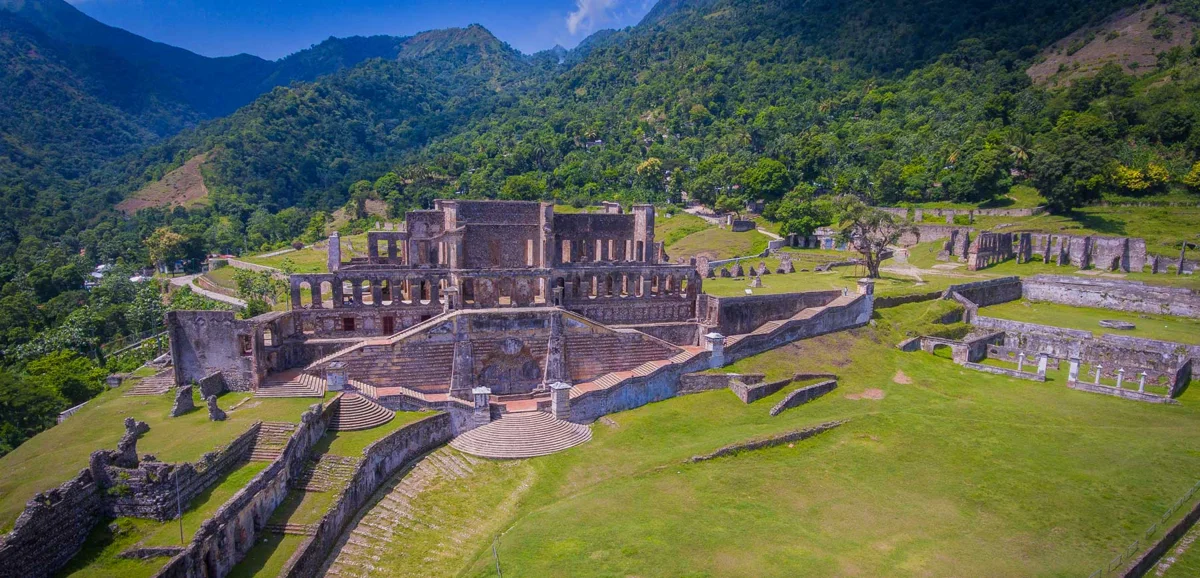
Aerial view of Sans-Souci Palace ruins in Milot, surrounded by green hills.

Sans-Souci Palace: Henri Christophe’s royal vision

Milot · Nord, Haiti

The ruins of Henri Christophe’s palace recall the ambitions of Haiti’s early years of independence. Its grand stairways, terraces and gardens form part of the National History Park, alongside the Citadelle and Ramiers, inscribed on UNESCO’s World Heritage List.

Discover the history
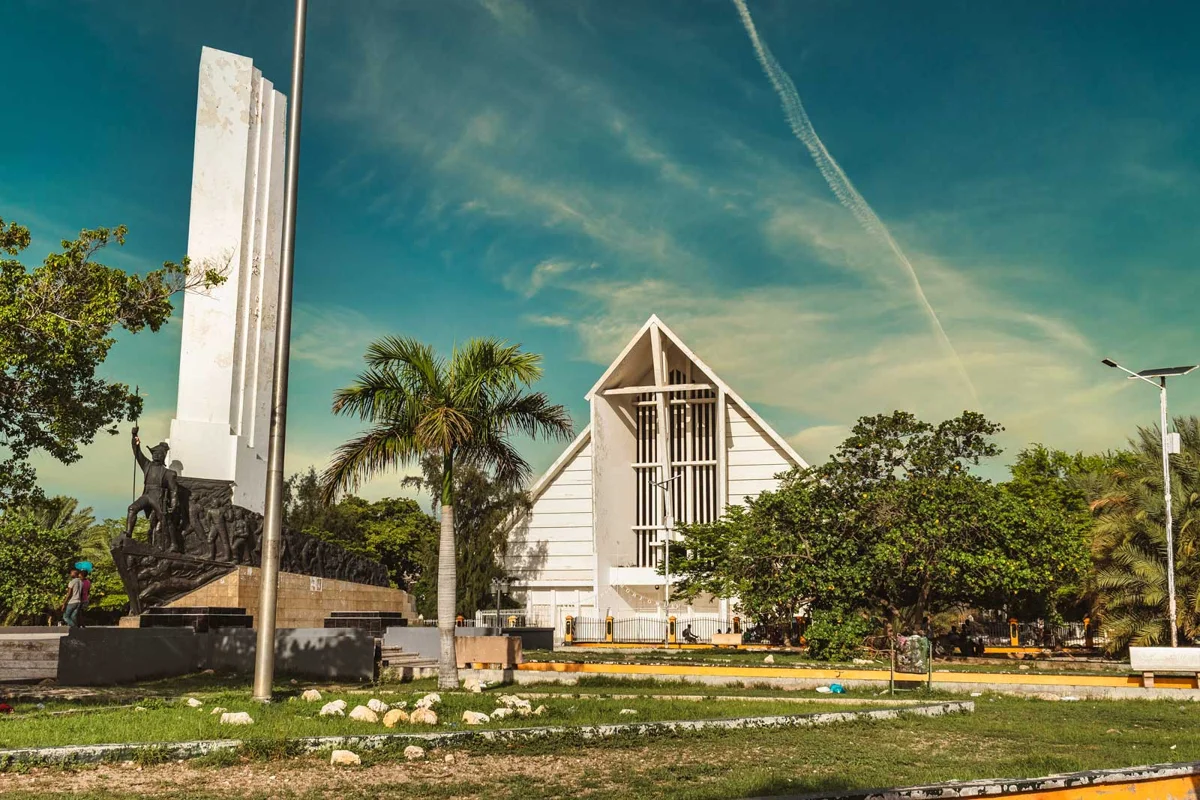
Place d’Armes in Gonaïves, with its monument, lawn and surrounding buildings.

Place d’Armes: where independence was proclaimed

Gonaïves · Artibonite, Haiti

Gonaïves carries the name “City of Independence” for a reason: Haiti’s independence was proclaimed here on January 1, 1804. Place d’Armes, the central public square, connects that national story with the city’s monuments, including the statue of Jean-Jacques Dessalines and the nearby Cathédrale du Souvenir.

Discover the history
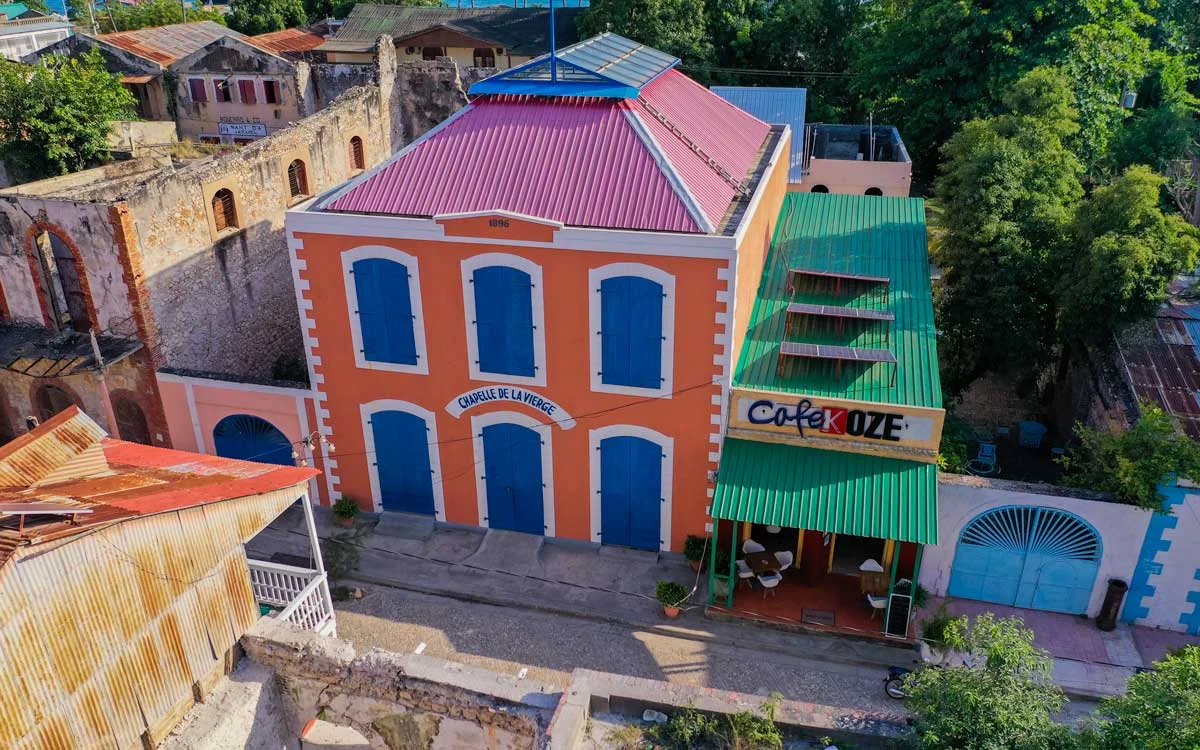
Historic houses with balconies along Rue du Commerce in Jacmel.

Historic Jacmel: a port city’s architectural legacy

Jacmel · Sud-Est, Haiti

Founded in 1698, Jacmel grew as a trading port. Its historic center preserves merchant houses, decorative iron balconies and streets shaped by the nineteenth-century coffee trade. Following the 1895 fire, rebuilding left a distinctive architectural legacy. The historic center is on Haiti’s UNESCO Tentative List; it is not an inscribed World Heritage Site.

Discover the history
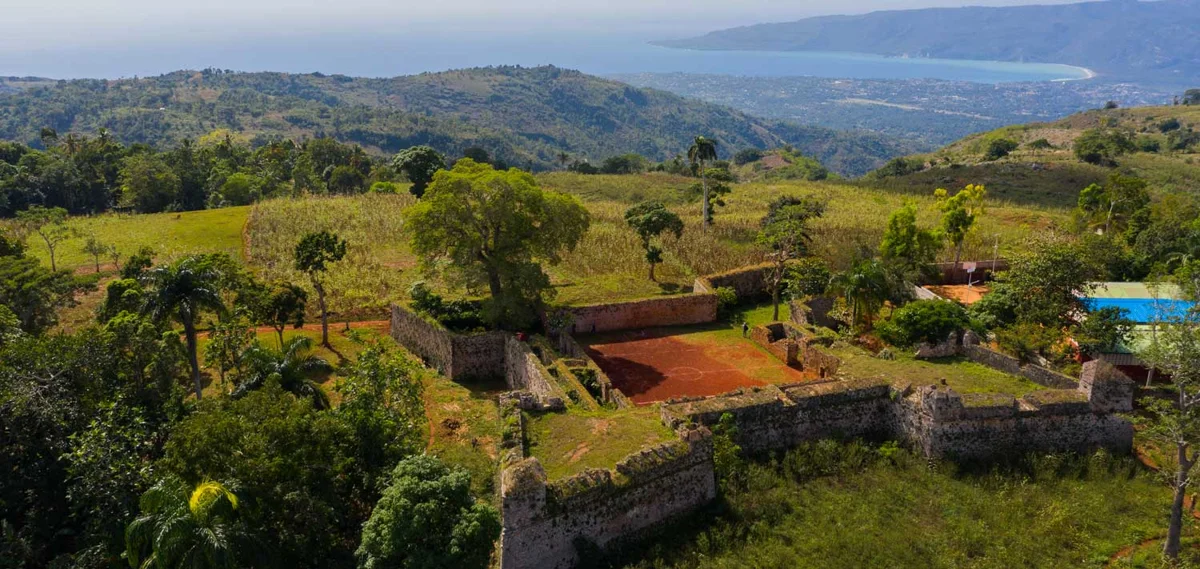
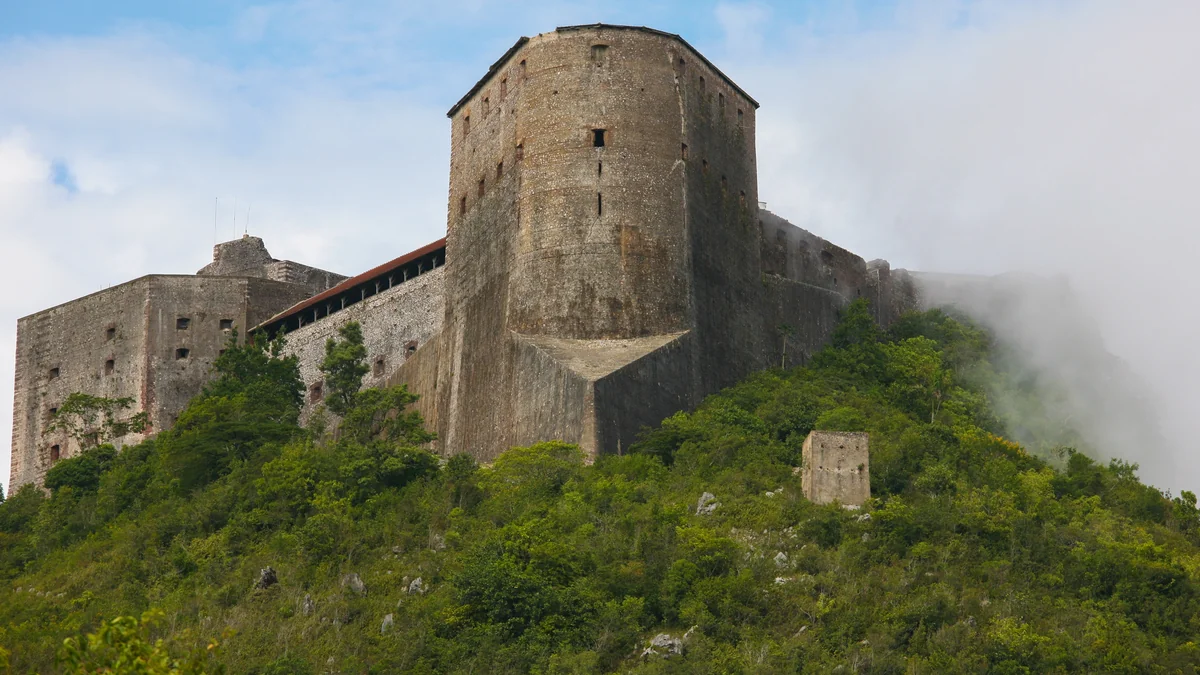
Stone walls of Fort Ogé above the hills near Jacmel.

Fort Ogé: defending a newly independent nation

Jacmel area · Sud-Est, Haiti

Built in 1804, Fort Ogé belongs to the network of defenses created after Haiti won independence. Named for Vincent Ogé, the stone fortress sits in the hills near Jacmel. Its surviving walls connect the southern landscape with the young nation’s determination to protect its freedom.

Discover the history
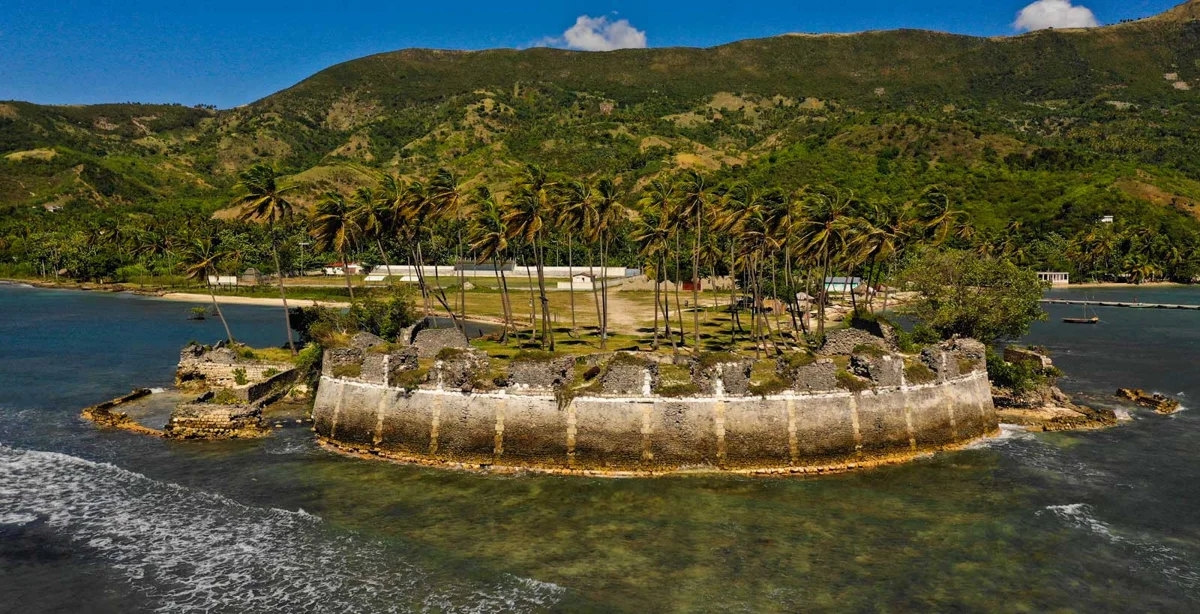
Coastal ruins of Fort des Oliviers near Saint-Louis-du-Sud.

Fort des Oliviers: a witness to colonial rivalries

Saint-Louis-du-Sud · Sud, Haiti

This coastal fort dates to 1702, when French colonial authorities built defenses against British attacks. Its stone remains on a rocky peninsula near Saint-Louis-du-Sud offer a different chapter of Haitian history: the struggles between European powers before the revolution and independence.

Discover the history
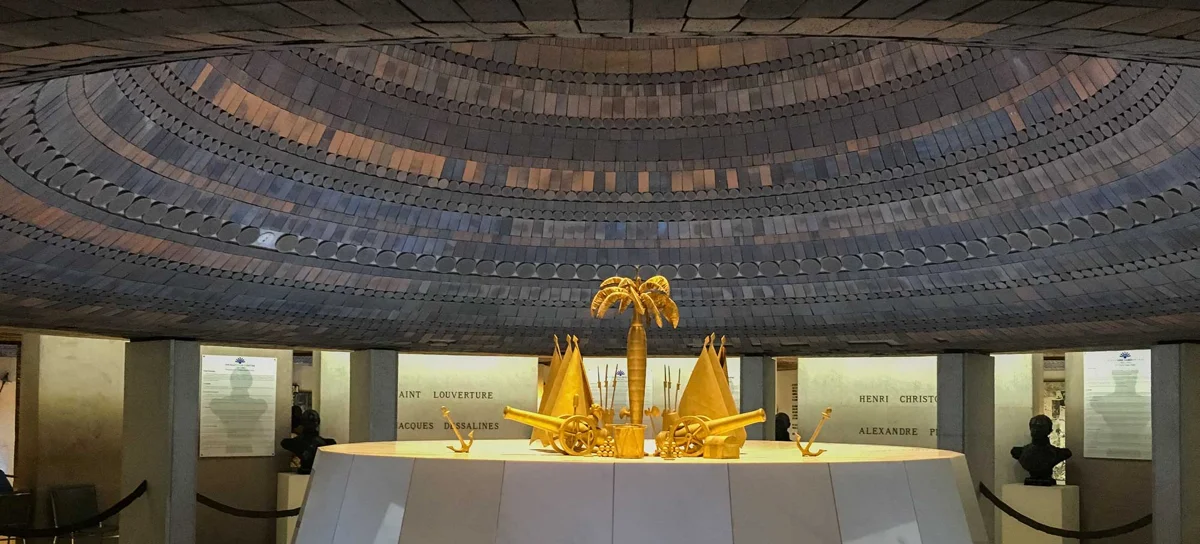
Interior of MUPANAH with sculptures and museum displays.

MUPANAH: preserving Haiti’s national memory

Champ de Mars, Port-au-Prince · Ouest, Haiti

Opened in 1983, the Musée du Panthéon National Haïtien preserves the stories of Haiti’s founding figures and its revolutionary heritage. Its partly underground galleries bring together historical objects, documents and art, connecting the island’s early history with the struggle against slavery and the creation of an independent nation.

Discover the history
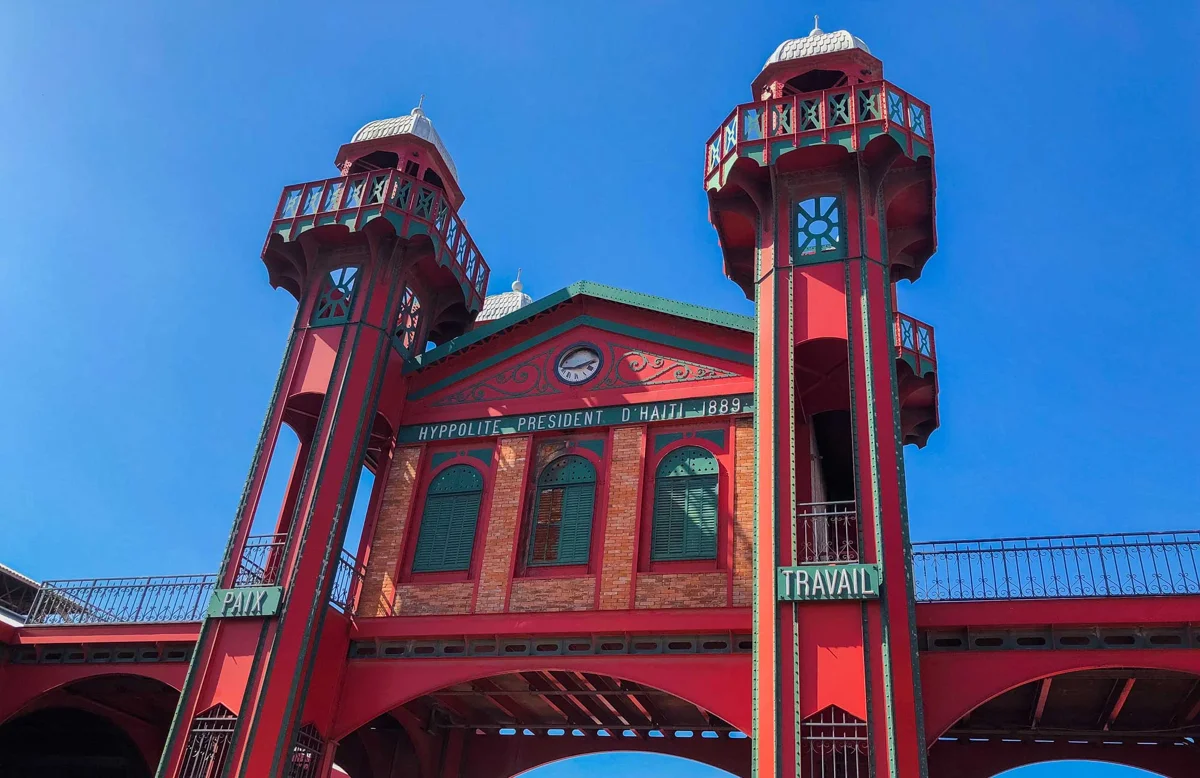
Red iron entrance of Marché en Fer in Port-au-Prince.

Marché en Fer: ironwork, commerce and resilience

Port-au-Prince · Ouest, Haiti

Also known as Marché Hyppolite, the Iron Market is one of Port-au-Prince’s best-known architectural landmarks. Its distinctive iron halls and red entrance reflect a history stretching back to the nineteenth century. The market’s story links everyday trade, Haitian crafts and repeated efforts to rebuild after earthquakes and fires.

Discover the history
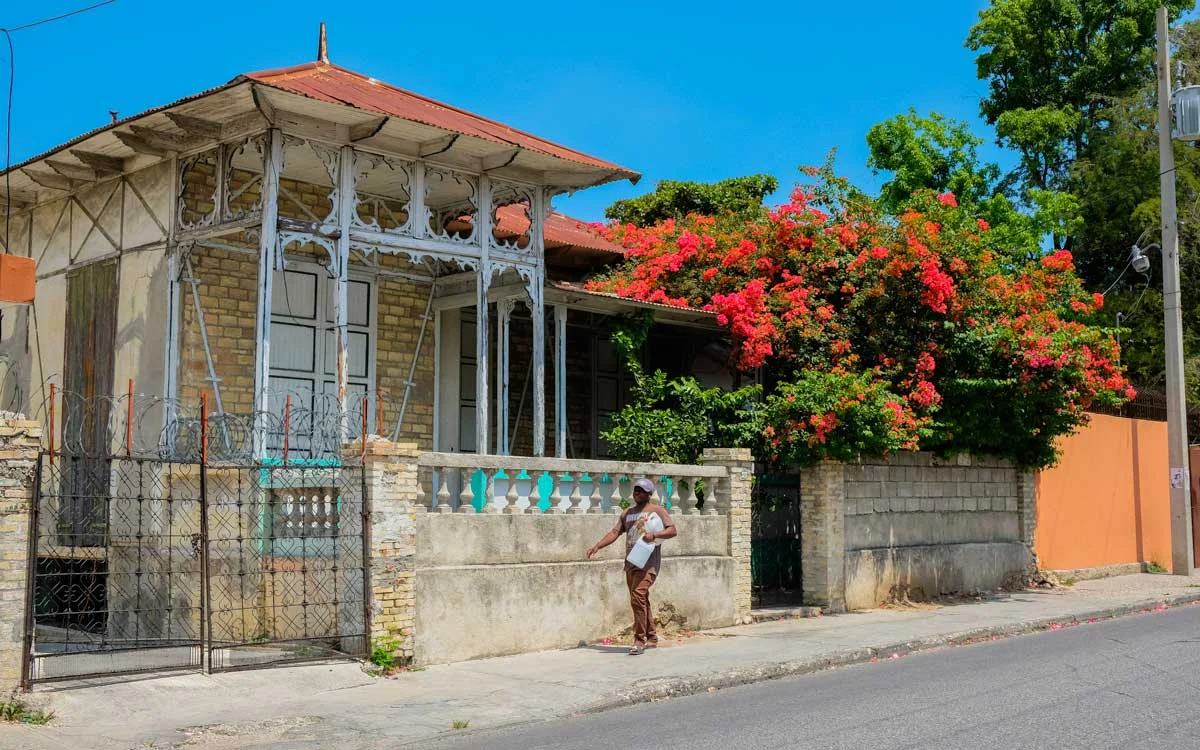
Gingerbread house with decorative timberwork in Turgeau, Port-au-Prince.

Gingerbread houses: Haiti’s living architectural heritage

Turgeau, Port-au-Prince · Ouest, Haiti

Ornate timber details, high ceilings, wide verandas and steep roofs make Haiti’s gingerbread houses instantly recognizable. In Port-au-Prince neighborhoods such as Turgeau, Pacot and Bois Verna, these homes tell a story of craft, climate and urban life. Their preservation has drawn international attention through the World Monuments Fund.

Discover the history

Konpa: a rhythm recognized around the world

Haiti’s compas, also known as konpa, joined UNESCO’s intangible cultural heritage list in 2025. Explore the music and dance tradition that brings generations together.

Discover konpa’s heritage

Source: UNESCO

Listen deeper: Haiti in the Folkways archive

Explore Haitian folk songs, drumming, guitar and rara through Smithsonian Folkways recordings. The collection connects artists and musical traditions across decades.

Explore recordings

Edouard Duval-Carrié: Haitian art in Miami

Born in Port-au-Prince and based in Miami, Edouard Duval-Carrié maintains a connection to Haiti through his art. Explore his work and the journey behind it on his official site.

Explore the artist’s work

Sant La: connecting a community since 2000

Community leaders founded Sant La to help Haitian families find resources in South Florida. Its story includes neighborhood outreach, partnerships and Teleskopi, a television program created to inform the community.

Read Sant La’s story